


Pediatric Crowns for Children in Apex

Last updated
Pediatric crowns restore primary teeth that have extensive decay, significant structural damage, or insufficient healthy enamel to support a filling. Green Level Pediatric Dentistry & Orthodontics offers tooth-colored and stainless steel crowns based on the tooth’s location, condition, appearance, and functional needs.
Dr. Michael Kim evaluates the affected tooth, surrounding tissues, cavity risk, dental development, and remaining tooth structure before recommending a crown.


What Are Pediatric Crowns?
Protecting Growing Smiles with Pediatric Crowns in Apex
A pediatric crown is a prefabricated restoration that covers the visible portion of a primary tooth. Unlike a filling, which repairs a specific area, a crown surrounds the tooth to provide more complete protection.
Pediatric crowns may be recommended for teeth with large cavities, fractures, developmental defects, or previous pulp treatment. They can also protect teeth that are unlikely to support a conventional filling predictably.
Types of Pediatric Crowns

Tooth-Colored Crowns
Tooth-colored pediatric crowns are commonly made from zirconia, a strong ceramic material that resembles natural enamel. They may be selected when appearance is an important consideration, particularly for visible teeth.
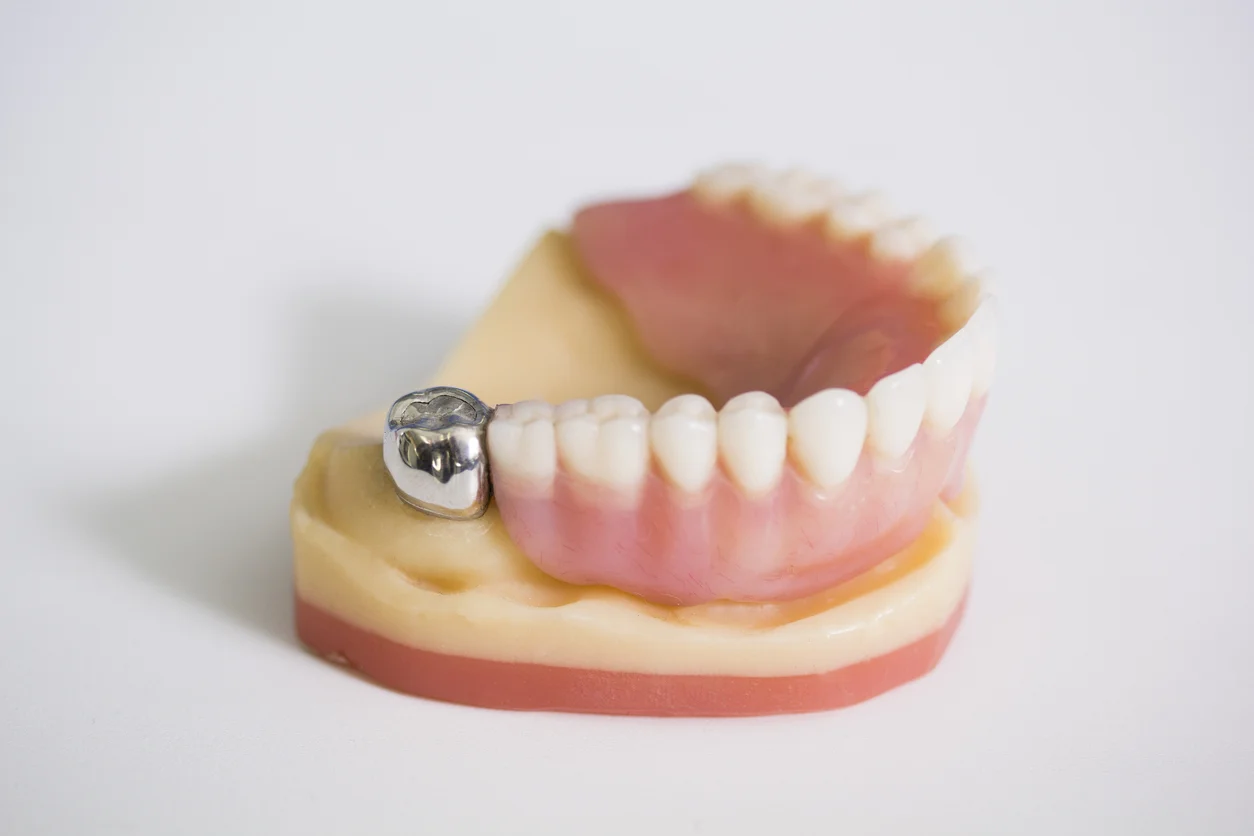
Stainless Steel Crowns
Stainless steel crowns provide durable, full-tooth coverage. They are frequently used for primary molars affected by extensive decay or structural damage.
Personalized Selection
Neither crown type is automatically appropriate for every tooth. Tooth location, available space, remaining structure, moisture control, bite forces, appearance, and the child’s ability to participate in treatment all influence the recommendation.
Did You Know…
A systematic review reported estimated five-year retention rates of 97.88% for stainless steel crowns and 97.09% for zirconia crowns placed on primary teeth. Journal of Medical Internet Research
Ready to Schedule
Your Appointment?

Why Choose Green Level Pediatric Dentistry & Orthodontics?
The Pediatric Crown Process
1
Examine the Tooth
The dentist examines the tooth and may take digital images to evaluate the extent of the decay or damage. The tooth’s roots and developing permanent tooth may also be reviewed.
2
Prepare and Protect the Tooth
The treatment area is numbed when necessary. Decay is removed, and the tooth is carefully shaped so the selected crown can cover it securely.
3
Fit and Cement the Crown
The dentist checks the crown’s fit, bite, and relationship with neighboring teeth. The crown is then cemented in place, and caregivers receive instructions for brushing, eating, and monitoring the area.


“A pediatric crown can protect a primary tooth when there is not enough healthy structure to support a filling. We select the crown type according to the tooth’s needs, the child’s development, and the family’s treatment goals.”
Dr. Michael Kim
Read Verified Reviews From Apex Parents

“My kids have been going to this practice since they were toddlers, and having one doctor who understands their complete dental history and growth patterns has made such a difference. Dr. Kim treats them like they’re his own children and recommends only what’s truly necessary. The convenience of having both their regular checkups and orthodontics in one place has been a game-changer for our family.”
“What impressed me most was how honest the doctor is about treatment recommendations. He explained exactly why each step was needed and never pushed unnecessary procedures. Having someone I trust completely managing both my kids’ dental and orthodontic care gives me peace of mind. The staff is incredibly kind and patient with nervous children.”
“We switched practices specifically because we wanted someone who could handle both pediatric dentistry and orthodontics under one roof. The continuity of care is amazing, and our kids actually look forward to their appointments. The whole team treats every patient like family, and the clinical expertise is evident in every interaction.”
Research-Reported Outcomes for Pediatric Crowns
Five-Year Retention of Stainless Steel Crowns
97.88%
Retention of Zirconia Crowns in a Systematic Review
97.09%
Clinical Success of Stainless Steel Crowns
97.2%
One-Year Survival of Stainless Steel Crowns
95.5%
One-Year Survival of Zirconia Crowns on Primary Incisors
93%
Two-Year Survival of Stainless Steel Crowns
92.8%
0%
10%
20%
30%
40%
50%
60%
70%
80%
90%
100%
0%
50%
100%
| Pediatric Crown Outcome | Percentage | What the Research Shows |
|---|---|---|
| Five-year retention of stainless steel crowns | 97.88% retained | A systematic review and meta-analysis estimated a pooled five-year retention rate of 97.88% for stainless steel crowns placed on primary teeth. |
| Retention of zirconia crowns | 97.09% retained | The same systematic review estimated a 97.09% retention rate for zirconia crowns across the evaluated studies. |
| Clinical success of stainless steel crowns | 97.2% success | A study of stainless steel crowns placed under general anesthesia reported an overall success rate of 97.2%, regardless of the original extent of decay or whether pulp treatment was performed. |
| One-year survival of stainless steel crowns | 95.5% survival | A retrospective study reported a 95.5% survival probability for stainless steel crowns after one year of service. |
| One-year survival of zirconia incisor crowns | 93% survival | A study of zirconia crowns placed on primary upper incisors reported an overall survival probability of 93% at 12 months. |
| Two-year survival of stainless steel crowns | 92.8% survival | The retrospective study reported that the survival probability for stainless steel crowns was 92.8% after two years of service. |
Sources: Lampl et al., “Reasons for Crown Failures in Primary Teeth,” 2025; Schüler et al., “Clinical Success of Stainless Steel Crowns Placed Under General Anaesthesia,” 2014; Wu et al., “Restorations Versus Stainless Steel Crowns in Primary Molars,” 2021; Seminario et al., “Survival of Zirconia Crowns in Primary Maxillary Incisors,” 2019; American Academy of Pediatric Dentistry, “Pediatric Restorative Dentistry”.
Key Findings About Pediatric Crowns
Crowns provide full-tooth coverage. A crown surrounds the visible tooth, offering greater structural protection than a filling placed within one portion of the tooth.
Primary teeth serve important purposes. Protecting a primary tooth can support chewing, speech, comfortable function, and preservation of space for the developing permanent tooth.
Stainless steel crowns are commonly used on back teeth. Their strength and adaptability can make them appropriate for primary molars with extensive decay or weakened tooth structure.
Tooth-colored crowns provide a tooth-colored option. Zirconia crowns may be considered when appearance is an important part of the treatment decision.
Crown placement requires sufficient space. Tooth-colored zirconia crowns generally cannot be trimmed or reshaped like stainless steel crowns, so tooth preparation and crown selection must be carefully planned.
Daily hygiene remains essential. A crown cannot develop a cavity, but the natural tooth beneath it remains vulnerable near the crown’s edge if plaque is not controlled.
Schedule a Pediatric Crown Evaluation
A child with a large cavity, broken primary tooth, previous pulp treatment, or a filling that can no longer support the tooth may benefit from a pediatric crown evaluation. Contact Green Level Pediatric Dentistry & Orthodontics in Apex to schedule an appointment with Dr. Michael Kim.
Questions Apex Families Ask About Pediatric Crowns
Why would a child need a crown instead of a filling?
A crown may be recommended when decay or damage affects multiple surfaces of the tooth or leaves too little healthy structure to hold a filling predictably. Full coverage can provide additional protection until the primary tooth is naturally lost.
What is the difference between tooth-colored and stainless steel crowns?
Tooth-colored pediatric crowns are generally made from zirconia and are designed to resemble natural teeth. Stainless steel crowns have a metallic appearance and are frequently selected for back teeth because of their durability and adaptability.
Does placing a pediatric crown hurt?
The tooth is typically numbed before treatment. A child may notice pressure, vibration, or water during the procedure, but local anesthesia is used to prevent pain. Temporary gum tenderness may occur afterward.
How long does a pediatric crown stay in place?
A crown is generally intended to remain until the primary tooth becomes loose and falls out naturally. Its longevity depends on the tooth, crown fit, oral hygiene, eating habits, bite forces, and the timing of normal tooth loss.
Does a crowned baby tooth still fall out?
Yes. The crown is attached to the primary tooth, not the developing permanent tooth. When the primary tooth’s roots naturally dissolve, the tooth and its crown typically loosen and come out together.
How should caregivers clean around a pediatric crown?
The crown should be brushed twice daily with fluoride toothpaste. Cleaning between the crowned tooth and neighboring teeth is also important because plaque can collect along the crown’s edge and between teeth.