


Intraoral Camera Imaging for Children and Teens in Apex

Last updated
An intraoral camera helps children and parents see the same areas the dental team examines. Green Level Pediatric Dentistry & Orthodontics can use enlarged color photographs to explain visible concerns, document dental development, monitor oral hygiene, and support pediatric or orthodontic treatment recommendations.


What Is an Intraoral Camera?
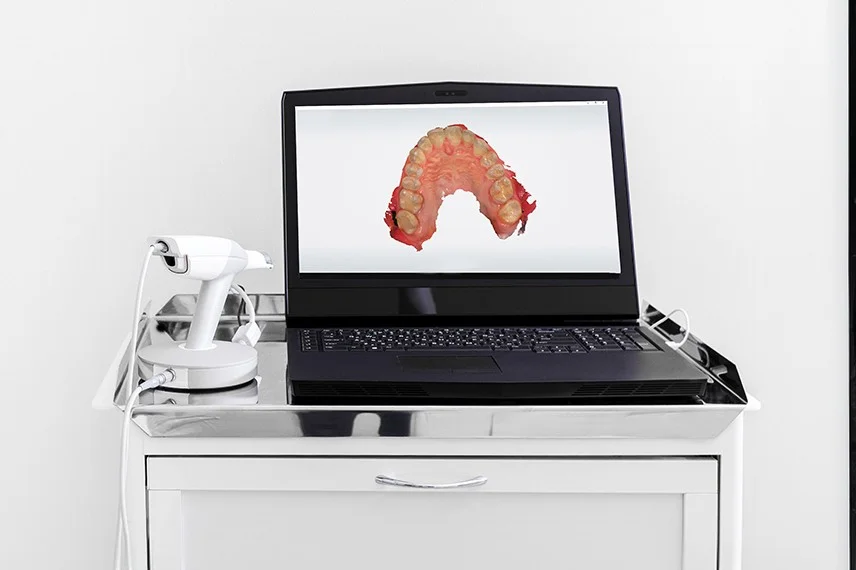
An intraoral camera is a small handheld device that captures detailed photographs inside the mouth. It can display enlarged images of individual teeth, gums, restorations, orthodontic appliances, and other visible structures on a monitor.
Unlike dental X-rays, an intraoral camera uses visible light and does not expose the child to ionizing radiation. It complements the clinical examination but cannot show structures hidden inside teeth or beneath the gums.
Benefits of Intraoral Cameras

Makes Findings Easier to See
Magnified photographs allow parents and children to view plaque, gum irritation, damaged teeth, or other visible concerns.
Supports Oral Hygiene Education
The dental team can show children where plaque collects, including around orthodontic brackets, along the gumline, and near difficult-to-clean back teeth.
Documents Changes
Saved photographs can be compared over time to monitor eruption, enamel changes, injuries, restorations, gum health, and orthodontic hygiene.
Did You Know…
An intraoral camera can capture areas that are difficult for children and parents to see in a bathroom mirror. Viewing these areas may make brushing and flossing instructions more specific and easier to understand.
Ready to Schedule
Your Appointment?

Why Choose Green Level Pediatric Dentistry & Orthodontics?
The Imaging Process
1
Examining the Mouth
Dr. Michael Kim identifies areas that could benefit from closer visual documentation.
2
Capturing the Images
The small camera is moved gently around the mouth while photographs of selected teeth and tissues are captured. No radiation is used.
3
Reviewing the Findings
The images can be displayed on a monitor so the dental team can point out relevant concerns and discuss recommended care with the child and parent.


“Intraoral photographs make dental education more visual. When children and parents can see the area we are discussing, it becomes easier to explain hygiene concerns, monitor changes, and understand why treatment may or may not be needed.”
Dr. Michael Kim
Read Verified Reviews From Apex Parents

“My kids have been going to this practice since they were toddlers, and having one doctor who understands their complete dental history and growth patterns has made such a difference. Dr. Kim treats them like they’re his own children and recommends only what’s truly necessary. The convenience of having both their regular checkups and orthodontics in one place has been a game-changer for our family.”
“What impressed me most was how honest the doctor is about treatment recommendations. He explained exactly why each step was needed and never pushed unnecessary procedures. Having someone I trust completely managing both my kids’ dental and orthodontic care gives me peace of mind. The staff is incredibly kind and patient with nervous children.”
“We switched practices specifically because we wanted someone who could handle both pediatric dentistry and orthodontics under one roof. The continuity of care is amazing, and our kids actually look forward to their appointments. The whole team treats every patient like family, and the clinical expertise is evident in every interaction.”
Research-Reported Outcomes for Intraoral Photography
Specificity for Photographic Assessment of Inflammatory Gum Disease
100%
Sensitivity for Identifying Caries Experience in Primary Teeth
100%
Positive Predictive Value for Caries Experience in Primary Teeth
97.7%
Accuracy for Photographic Assessment of Inflammatory Gum Disease
96.7%
Sensitivity for Identifying Caries Experience in Permanent Teeth
95.8%
Patients Reporting a Positive Intraoral Camera Experience
77%
0%
10%
20%
30%
40%
50%
60%
70%
80%
90%
100%
0%
50%
100%
| Intraoral Photography Outcome | Percentage | What the Research Shows |
|---|---|---|
| Specificity for inflammatory gum disease | Up to 100% | Experienced dental professionals reviewing oral photographs achieved specificity ranging from 80% to 100% when assessing inflammatory gum disease. |
| Sensitivity for caries experience in primary teeth | 100% sensitivity | A pediatric study found that intraoral mobile photography identified all children classified as having caries experience in their primary teeth under the study conditions. |
| Positive predictive value in primary teeth | 97.7% PPV | The same pediatric study reported a 97.7% positive predictive value for photographically assessing caries experience in primary teeth. |
| Accuracy for inflammatory gum disease | Up to 96.7% accuracy | Accuracy among four experienced evaluators ranged from 76.7% to 96.7% when they assessed inflammatory gum disease from oral photographs. |
| Sensitivity for caries experience in permanent teeth | 95.8% sensitivity | Intraoral photography demonstrated 95.8% sensitivity for identifying caries experience in the permanent teeth of the children evaluated. |
| Positive patient experience | 77% positive | A dental-school study found that 77% of surveyed patients viewed the use of an intraoral camera positively. |
Sources: Terry PD et al., “Accuracy of Digital Photographs for Assessing Inflammatory Gum Disease in Epidemiologic Studies,” Frontiers in Oral Health, 2025; “Diagnostic Accuracy of Intraoral Mobile Photography for Oral Health Screening in Children,” 2025; “Intraoral Camera Use in a Dental School Clinic,” Journal of Dental Education, 2019; Mladenović D et al., “Clinical Applications of Intraoral Camera to Increase Patient Compliance,” 2019.
Six Key Findings About Intraoral Cameras
The camera does not use radiation. It captures color photographs using visible light rather than X-rays.
Only visible surfaces can be photographed. The camera cannot show decay hidden deep between teeth, conditions around tooth roots, or structures inside the jaw.
Only visible surfaces can be photographed. The camera cannot show decay hidden deep between teeth, conditions around tooth roots, or structures inside the jaw.
Orthodontic hygiene can be reviewed visually. Enlarged images can show plaque or gum irritation around brackets, wires, attachments, and other appliances.
Photographs create a visual record. Later images can be compared with earlier ones to help monitor visible changes or document treatment.
A photograph is not a diagnosis by itself. Dr. Michael Kim interprets camera images alongside the child’s symptoms, examination, history, and other diagnostic records.
Schedule a Pediatric Dental Evaluation
Families can schedule an appointment with Green Level Pediatric Dentistry & Orthodontics in Apex for a child-focused examination and visual review of relevant findings. Intraoral photographs may be used when they can improve education, documentation, or ongoing monitoring.
Questions Apex Families Ask About Intraoral Cameras
What is an intraoral camera?
An intraoral camera is a small handheld imaging device that captures enlarged color photographs of a child’s teeth, gums, orthodontic appliances, and other visible areas inside the mouth.
Does an intraoral camera use radiation?
No. A standard intraoral camera uses visible light to capture photographs and does not produce X-radiation.
Will the camera hurt my child?
The imaging process is generally comfortable. The camera is moved gently around the mouth and does not require injections, tooth preparation, or other invasive procedures.
How can an intraoral camera help a child with braces?
The photographs can show plaque accumulation, swollen gums, food trapped around appliances, enamel changes, loose components, or areas that need improved brushing and flossing.
Can an intraoral camera replace dental X-rays?
No. The camera records visible surfaces, while X-rays provide information about areas between teeth, inside teeth, around roots, and within supporting bone.
Can parents and children see the photographs?
Yes. Images can usually be displayed on a monitor so Dr. Michael Kim can identify specific areas, explain findings, and discuss any recommended care.